Our Expertise
We offer robust solutions for projects of all sizes, relying on open source technologies – over 500 successful PHP projects stand as proof of our expertise:
- Web Apps
- Enterprise Apps
- CRM
- CMS
- Saas
- Online Portals
- APIs and Microservices
Having a diverse industry experience, we ensure the good quality in any field:
- E-commerce, Retail, and B2B
- Enterprise
- Banking, Finance, and Insurance
- Education and eLearning
- Transport and Automotive
- Travel and Hospitality
- Social Networking
- Healthcare and Fitness
- Media and Entertaining
We offer
We've got you covered from the beginning to the end of the development cycle journey. We tackle all the stages, from PHP Consultancy and Estimation to Quality Assurance and Launching to Production.

PHP Skill Set
We integrate the latest tools and technologies to meet your project's objectives:

PHP Frameworks
- Laravel
- Magento
- Symfony
- Lumen
- Codeigniter

Database
- MySQL/Mariadb
- Postgresql
- MongoDB
- ElasticSearch
- Redis
- Graph Database (OrientDB)
- Microsoft SQL Server

Rich Interfaces
- Bootstrap
- VueJS
- React
- Angular
- JQuery
- Knockout

Server Technologies
- Docker / Kubernetes
- Apache
- Nginx
- AWS
- Google Cloud
- RabbitMQ

Web Services
- RESTful
- XML-RPC
- SOAP
- GRPC
- Socket.io

Data Access
- Eloquent ORM
- Doctrine ORM
- ODBC

Security
- LDAP
- Logging
- HTTPS/SSL

Tools
- Git
- Swagger
- Apiary
- Jira
- Docker Compose
- Composer
Why chose PHP
Why choose Roweb
We start your project with a detailed analysis of your needs and challenges and we finalize it with precise maintenance and support.
PHP Staff Augmentation Services in Romania
- Extensive PHP Web Development Experience
- Top Quality Work Delivery
- Modern technologies and Frameworks
- Dedicated development teams for your particular needs
- Strict NDA terms & policy
Modern Web App Architecture

We build modular Web Applications using an API-oriented architecture whenever it fits the project needs. The API is the core, aggregating the app’s functionality and business logic and is always optimized for speed and security. The frontend interface is written using a Javascript Framework, based on the SPA (Single Page Application) Architecture - allowing the user to communicate dynamically with the web app without reloading the page.
- The API aggregates and processes data from: databases, microservices, third party APIs, etc.
- The same API used for your web application, can be used to communicate with a native mobile application or other tools you use in the company.
- We use modern SPA technologies like React, Vue, Angular, Knockout.
Samples of our work
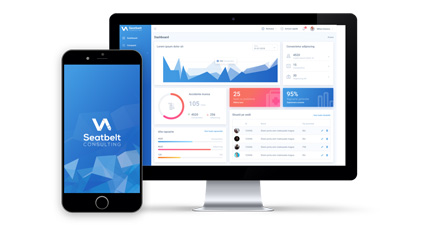
MySQL, Redis, Lumen, ReactJS, Docker, Google Maps API, RxJava, Retrofit, Firebase...
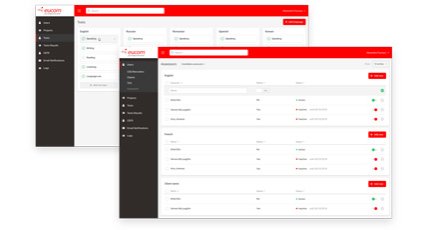
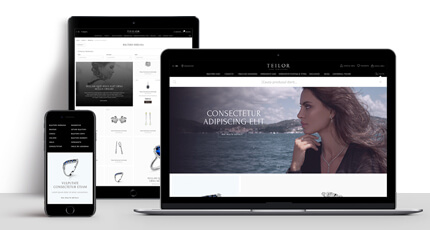
Magento, CSS3, HTML5, Responsive Design, AJAX, Webservices, Memory caching mechanism
Request a free quote
for your project
E-mail us at [email protected] or submit your information about your project and we will send you back a custom quotation.
Book a free consultation with us